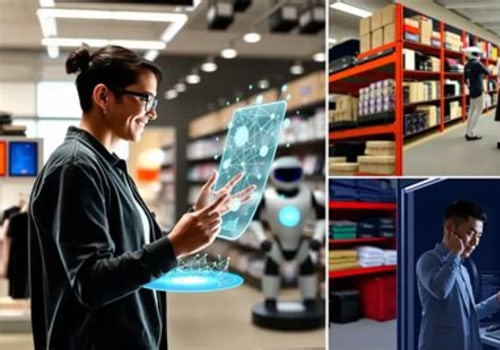
In the ever-evolving landscape of retail, understanding how store layoutstore layout impacts shopper behavior is essential for success. At impacts shopper behavior is essential for success. At Aegis SimForge, we recognize that the physical arrangement of a store can significantly influence customer decisions, shopping patterns, and ultimately, sales performance. With the right insights, retailers can optimize their layouts to enhance the shopping experience, drive conversions, and build lasting customer loyalty. This article delves into the intricacies of assessing store layout impact, exploring how various design elements can affect a shopper's journey from entering the store to making a purchase. By leveraging innovative tools such as our Synthetic Shopper Wind Tunnel, retailers can simulate different layout scenarios and gain critical insights into shopper behavior before implementing changes in the real world.
Understanding these dynamics allows businesses to not only navigate the complexities of consumer engagement but also to prepare for the future of retail. The concept of store layout is multifaceted, encompassing everything from traffic flow and product placement to ambiance and accessibility. Our exploration aims to unpack these elements and demonstrate their significance in creating a conducive shopping environment. By examining how different layouts can lead to varied shopper missions and basket compositions, we will equip you with the knowledge needed to make informed decisions that positively impact your bottom line. As we progress through this article, we will highlight the importance of integrating category management, shopper mission understanding, and basket economics into your retail strategy. Whether you are a seasoned retailer or new to the industry, grasping these concepts will empower you to maximize your store's potential.
Join us as we uncover the vital relationship between store layout and shopper behavior, paving the way for enhanced retail strategies and improved customer experiences. Understanding the relationship between store layout and shopper behavior is essential for retailers aiming to enhance customer engagement and drive sales. Aegis SimForge provides a platform that allows retailers to assess these impacts through synthentic wind tunneling, enabling them to simulate various layouts and their potential effects on shopper missions. By analyzing how different layouts influence shopper navigation, retailers can gain valuable insights into the effectiveness of their store designs. The connection between store layout and shopper behavior can be examined through various methodologies, such as traffic pattern analysis, heat mapping, and shopper journey mapping. These methodologies help retailers visualize how customers move through their stores, what areas attract attention, and where bottlenecks might occur.
Such analysis reveals the significance of category management, which focuses on organizing products in a way that enhances visibility and accessibility, ultimately influencing purchasing decisions. Moreover, understanding shopper missions is crucial. Shoppers enter stores with specific goals, whether it's a quick purchase or a leisurely browsing experience. By aligning store layouts with these missions, retailers can create environments that facilitate easier navigation and product discovery. For instance, a grocery store might position frequently purchased items near the entrance to cater to shoppers on quick trips while providing attractive displays for seasonal products further inside for those who are browsing.
Basket economics
plays a significant role in this context as well.It reflects the value shoppers assemble during their visits, which can be significantly influenced by layout decisions. For example, strategically placing complementary products near each other can encourage additional purchases, thus increasing basket size. Category intelligence complements this by providing insights into shifting demand patterns, competitive actions, and consumer preferences, ensuring that retailers remain responsive to market changes. Real-world examples highlight the effectiveness of thoughtful layout strategies. Retailers like IKEA utilize a maze-like layout that guides customers through various sections while presenting related products together.
This not only enhances the shopping experience but also encourages impulse buys, thereby boosting overall sales. Similarly, Apple stores employ minimalistic layouts that emphasize product interaction, allowing customers to engage directly with devices in an inviting environment. Aegis SimForge's capability to simulate different scenarios in a controlled environment presents significant advantages for retailers looking to test new layouts without the risk of disrupting actual store operations. The platform's closed-loop calibration ensures that historical data informs future predictions, allowing retailers to make informed decisions based on simulated outcomes rather than intuition alone. This approach fosters a proactive retail strategy where potential issues can be identified and addressed before implementation. However, implementing new layouts is not without challenges.
Retailers may face resistance from staff or customers accustomed to existing setups, and the fear of disrupting established shopping patterns can hinder innovation. Data-driven insights derived from tools like Aegis SimForge can alleviate these concerns by providing empirical evidence of the benefits associated with new layouts. By demonstrating potential improvements in shopper flow and sales outcomes through simulation, retailers can more effectively communicate the rationale behind changes. In conclusion, understanding the impact of store layout on shopper behavior is critical for retail success. The integration of methodologies such as category management, shopper missions, basket economics, and category intelligence into layout design ensures that retailers not only meet customer needs but also maximize their business performance.
With platforms like Aegis SimForge enabling detailed simulations of potential outcomes, retailers are better equipped to navigate the complexities of layout optimization, ultimately leading to enhanced shopper experiences and increased sales.
Methodologies for Assessing Layout Impact
When it comes to assessing store layout impact, various methodologies can be employed to gain insights into how different configurations affect shopper behavior. One of the most traditional yet effective methods is observational studies. These studies involve monitoring customer interactions within the store environment, allowing retailers to gather qualitative data on how shoppers navigate through different layouts. Observers can note patterns, preferences, and potential bottlenecks that may arise as customers move through the space. Another popular approach is A/B testing, where two or more store layouts are tested simultaneously to see which one performs better in terms of key metrics such as sales, time spent in-store, and customer satisfaction.This method allows retailers to make data-driven decisions by directly comparing the effectiveness of different layouts. However, for a more advanced and nuanced understanding of layout impact, technology-driven solutions like Aegis SimForge provide invaluable tools. Aegis SimForge utilizes synthetic wind tunneling to simulate various store layouts, enabling retailers to visualize potential shopper pathways and behaviors before any physical changes are made. This predictive modeling helps in identifying which layouts could enhance shopper missions and ultimately lead to increased basket size and loyalty. By integrating these methodologies—observational studies, A/B testing, and advanced simulation tools like Aegis SimForge—retailers can effectively assess the impact of their store layouts on shopper behavior and make informed decisions that drive business performance.
Leveraging Technology for Optimized Layouts
In the ever-evolving landscape of retail, Aegis SimForge emerges as a powerful tool that enables retailers to leverage advanced technologies for optimizing store layouts. The significance of an effective store layout cannot be overstated; it directly influences shopper behavior, impacting everything from foot traffic to purchase decisions.By utilizing synthetic shopper simulations, retailers can anticipate the outcomes of various layout configurations before making any physical changes in their stores. These simulations provide a dynamic environment where retailers can explore different scenarios and visualize how shoppers interact with the space. For instance, by modeling shopper missions and behaviors within a virtual setting, retailers can identify the most effective pathways, product placements, and overall layouts that resonate with their target audience. This predictive capability is crucial as it allows businesses to make informed decisions that enhance customer experience and drive sales. Moreover, Aegis SimForge integrates various components such as category management, shopper mission insights, and basket economics to create a comprehensive understanding of retail dynamics. By analyzing data from past shopper interactions and calibrating it against simulated outcomes, retailers can refine their strategies to better meet consumer needs while minimizing risks associated with layout changes. The ability to visualize potential impacts through synthetic wind tunneling not only streamlines the decision-making process but also fosters innovation in retail strategies.
Retailers can experiment with different layouts in a risk-free environment, ultimately leading to more effective store designs that enhance shopper satisfaction and improve business performance.
Case Studies of Successful Store Layouts
Understanding the impact of store layout on shopper behavior is crucial for retailers aiming to enhance sales and customer satisfaction.Aegis SimForge
offers a robust platform that allows retailers to assess various store layouts through synthetic wind tunneling. This innovative approach enables businesses to simulate different configurations and evaluate their potential effects on shopper missions, ultimately leading to more informed decisions. One notable case study involves a leading grocery chain that implemented a new store layout designed around the concept of customer flow. By reorganizing the aisles to create a more intuitive shopping experience, the retailer saw a significant increase in foot traffic in key areas of the store.The results were measurable; within three months of the layout change, sales in the targeted categories increased by 15%, and customer satisfaction scores rose dramatically. Another example can be found in the electronics retail sector, where a major retailer adopted a zoned layout strategy to enhance product visibility and accessibility. This layout categorized products into specific zones, allowing shoppers to easily find what they were looking for. After implementing this design, the retailer reported a 20% boost in sales for featured products and a noticeable improvement in overall customer engagement, as shoppers spent more time exploring different sections of the store. These case studies highlight how effective store layouts can lead to substantial improvements in both sales and customer satisfaction. The integration of platforms like Aegis SimForge into retail strategies allows businesses to visualize the consequences of different layouts before making changes, ensuring that decisions are data-driven and aligned with shopper behavior trends.
Challenges in Store Layout Optimization
Redesigning store layouts is a complex process that retailers must navigate carefully to enhance shopper experience and optimize sales.One of the primary challenges faced by retailers is understanding the diverse shopper missions that dictate how customers interact with the store. Aegis SimForge provides valuable insights into these missions by simulating various store layouts and their potential impacts on shopper behavior, enabling retailers to make informed decisions. Another significant hurdle is the balancing act between aesthetics and functionality. Retailers often find themselves torn between creating an appealing shopping environment and ensuring that the layout facilitates easy navigation and accessibility. To overcome this challenge, retailers can utilize tools like Aegis SimForge, which allows for testing and visualizing multiple layout options before implementation. Additionally, adapting to changing consumer preferences poses a consistent challenge.
As shopping behaviors evolve, what worked in the past may no longer resonate with today's consumers. Retailers must stay agile and responsive to these shifts. Conducting regular assessments using a platform like Aegis SimForge helps retailers stay ahead of trends by simulating future shopping scenarios based on current data. Lastly, budget constraints can limit the ability to redesign store layouts effectively. Retailers may hesitate to invest in major renovations due to the associated costs.
However, leveraging simulation platforms can reduce overall expenditure by identifying the most effective changes before physical alterations are made. By focusing on data-driven decisions, retailers can optimize their layouts without overspending. In summary, while challenges in store layout optimization are significant, utilizing advanced simulation technologies like Aegis SimForge can provide retailers with a strategic advantage. By addressing shopper missions, balancing aesthetics with functionality, adapting to changing preferences, and managing costs effectively, retailers can create layouts that not only attract customers but also drive sales.
The Science Behind Store Layout
Understanding the intricacies of store layout is essential for retailers seeking to optimize shopper behavior and enhance business performance. Aegis SimForge plays a pivotal role in this arena by providing a platform that allows retailers to assess the impacts of various store layouts through synthetic wind tunneling.This technology enables the simulation of different shopping environments, ultimately revealing how layout decisions can influence shopper missions and basket creation. The principles guiding shopper navigation are deeply rooted in psychology and behavioral science. For instance, the Gestalt Principles highlight how shoppers perceive visual information as organized wholes rather than isolated parts. This means that a well-designed store layout can create a harmonious flow that guides shoppers through the space, increasing the likelihood of purchase. Retailers can leverage these principles to strategically position products, ensuring that high-demand items are easily accessible while also leading customers toward impulse buys. Another critical aspect is the theory of proxemics, which studies how individuals use space in social interactions.
In a retail context, this translates to how close products are placed together and how wide the aisles are. A store layout that respects personal space can make shoppers feel more comfortable, thus encouraging them to explore more products. Aegis SimForge's simulations allow retailers to test various spacing configurations and aisle designs to see which encourages longer shopping durations and higher conversion rates. Moreover, store navigation patterns reveal that shoppers often follow specific paths when moving through a store. The concept of the customer journey can be enhanced by designing layouts that consider common pathways, such as the right-hand rule where shoppers tend to gravitate towards their right upon entering.
By utilizing Aegis SimForge's advanced modeling capabilities, retailers can visualize these pathways and optimize their product placements accordingly. Ultimately, understanding these psychological and behavioral principles is critical for retailers aiming to create effective store layouts. With Aegis SimForge, businesses can harness data-driven insights to simulate various layouts, assess their potential impacts on shopper behavior, and make informed decisions that foster greater engagement and sales. In conclusion, the assessment of store layout impact on shopper behavior is crucial for retailers aiming to optimize customer experiences and boost business performance. Throughout this article, we have highlighted how different methodologies and technologies can provide valuable insights into effective store layouts. The integration of platforms like Aegis SimForge empowers retailers to simulate various store designs, allowing them to understand the potential consequences of their layout decisions before implementation. By leveraging Aegis SimForge, retailers can gain a deeper understanding of shopper missions, enhancing their ability to convert these missions into successful baskets.
As the retail landscape continues to evolve, utilizing advanced simulation tools will be essential for making informed decisions that not only meet shopper needs but also drive sustainable growth.