As the retail landscape evolves at an unprecedented pace, the ability to gather and interpret intelligence becomes paramount for success.
Aegis SimForge
stands at the forefront of this transformation, offering innovative solutions that empower retailers to navigate the complexities of modern consumer behavior. In a world where data is abundant but actionable insights are scarce, understanding the future challenges in intelligence gathering is crucial for retailers aiming to enhance their strategic decision-making processes. This article delves into the multifaceted obstacles that retailers face as they seek to harness intelligence for competitive advantage. From the rapid shifts in shopper missions to the increasing complexity of category management, the challenges are manifold.Retailers must not only adapt to changing consumer preferences but also anticipate market trends and competitor actions. With technologies evolving and new channels emerging, the task of gathering meaningful intelligence is more critical than ever. As we explore these future challenges, we will highlight how Aegis SimForge's advanced methodologies, such as Mission-to-Basket Consequence Intelligence and Synthetic Shopper Wind-Tunneling, can provide retailers with the foresight needed to thrive in an ever-changing environment. By leveraging these tools, retailers can better simulate alternative futures and make informed decisions before they impact their bottom line. Join us as we navigate the intricate landscape of retail intelligence gathering, uncovering insights that will shape the strategies of tomorrow's leading retailers. As the retail landscape continues to evolve, the importance of retail intelligence in understanding shopper behavior has never been more critical. Retailers are now faced with numerous challenges in their intelligence gathering efforts. in understanding shopper behavior has never been more critical. Retailers are now faced with numerous challenges in their intelligence gathering efforts.
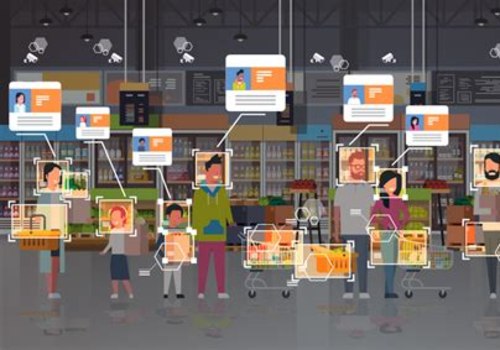
One notable solution that addresses these challenges is Aegis SimForge, which offers a synthetic foresight platform designed to pressure test businesses and surface potential failures. This platform highlights the necessity for retailers to adapt to rapidly changing environments by leveraging advanced intelligence gathering tools. One of the most pressing challenges retailers encounter in intelligence gathering is data privacy concerns. As consumers become increasingly aware of how their data is collected and used, regulatory frameworks are tightening. Retailers must navigate these complexities while still gathering actionable insights.
Maintaining consumer trust is paramount; thus, retailers need to be transparent about their data practices and ensure compliance with regulations like GDPR and CCPA. This often leads to a delicate balance between acquiring necessary data for intelligence and respecting customer privacy. Another significant challenge is the rapid pace of technological advancements. The tools and technologies available for data collection and analysis are constantly evolving. Retailers must stay ahead of these changes to maintain a competitive edge.
Technologies such as AI-driven analytics, predictive modeling, and synthetic shopper simulations are becoming essential for understanding consumer behavior and enhancing decision-making processes. However, integrating these technologies into existing systems can be daunting, requiring time, resources, and expertise. The necessity for real-time data analysisreal-time data analysis is also crucial in today's fast-paced retail environment. Consumers expect immediate responses to their needs, making it essential for retailers to analyze data as it comes in. This challenge necessitates the implementation of sophisticated data management systems that can process large volumes of information quickly and accurately.
Retailers that can harness real-time data effectively can respond to trends and shifts in consumer behavior more promptly than their competitors. One innovative methodology that addresses these challenges is Mission-to-Basket Consequence Intelligence. This approach helps retailers understand shopper missions—why shoppers enter the store or website—and how these missions translate into baskets of goods. By focusing on basket economics, retailers gain insights into the value shoppers assemble during their shopping trips. This understanding can significantly enhance category management, allowing retailers to tailor their offerings based on actual shopper behavior rather than assumptions. Additionally, technologies like AI-driven analytics provide predictive insights that help retailers anticipate future shopper behavior based on historical data.
For instance, predictive modeling can identify potential trends before they emerge, giving retailers the opportunity to adjust their strategies accordingly. Synthetic shopper simulations further enhance this process by allowing retailers to create scenarios based on various market conditions and shopper behaviors, ultimately leading to more informed decision-making. The optimization of shopper behavior through these tools not only improves business outcomes but also enhances customer satisfaction. By understanding how different factors influence purchasing decisions, retailers can create more personalized shopping experiences that resonate with their customers. However, it is essential to address potential disagreements regarding the effectiveness of various intelligence tools.
Some industry experts argue that traditional methods still hold value, while others advocate for a complete shift towards advanced technologies. Acknowledging these differing opinions can foster a more nuanced understanding of how best to approach retail intelligence. While new technologies certainly offer exciting possibilities, it is crucial not to overlook the foundational strategies that have served retailers well in the past. Ultimately, the future of retail intelligence gathering will likely involve a hybrid approach that combines traditional methods with cutting-edge technologies like those offered by Aegis SimForge.In conclusion, navigating the future challenges in retail intelligence gathering requires a multifaceted strategy that addresses data privacy concerns, embraces technological advancements, and prioritizes real-time analysis. By leveraging methodologies such as Mission-to-Basket Consequence Intelligence and integrating advanced technologies into their operations, retailers can better understand shopper behavior and improve business outcomes in an ever-evolving marketplace.
Challenges in Data Collection and Analysis
As retailers strive to enhance their intelligence gathering capabilities, they encounter significant challenges in the realms of data collection and analysis.One of the primary obstacles is the sheer volume of data generated from various sources, including customer interactions, sales transactions, and market trends. This influx of information can lead to data overload, making it difficult for retailers to discern actionable insights. Moreover, the integration of disparate data sources poses a further challenge, as retailers must ensure that all data points are harmonized to provide a comprehensive view of shopper behavior. Another critical issue lies in the interpretation of the collected data. Retailers often struggle with translating raw data into meaningful strategies that can drive business outcomes.
This is where advanced tools like Aegis SimForge come into play, offering a synthetic foresight platform that enables retailers to pressure test their business models and surface potential failures before they occur. By utilizing such sophisticated platforms, retailers can better simulate various scenarios and understand the implications of different decisions on their operations. Additionally, the fast-paced nature of retail environments demands that intelligence gathering systems be agile and adaptable. Retailers must be equipped to respond to rapid shifts in consumer behavior and market dynamics. Failure to do so can result in missed opportunities and a decline in competitive advantage.
As such, investing in robust analytics capabilities is essential for retailers aiming to navigate these challenges effectively.
The Role of Aegis SimForge in Retail Intelligence
Aegis SimForge stands out as a pivotal solution in the realm of retail intelligence, offering a robust platform designed to simulate shopper behaviors effectively. By implementing a closed-loop system, Aegis SimForge allows retailers to not only visualize potential shopper journeys but also to test various scenarios and outcomes before making critical business decisions. This innovative approach integrates several key components crucial for understanding and optimizing the retail environment. First, it considers Category Management, which guides how retailers and suppliers can manage their product categories more efficiently. Next, it incorporates Shopper Mission, shedding light on the reasons why shoppers enter the retail space, which is essential for tailoring marketing strategies and enhancing customer experiences. Moreover, Basket Economics focuses on the value that shoppers derive from their purchases, allowing retailers to optimize pricing and promotions.Additionally, Category Intelligence monitors shifts in demand, competitor actions, and changes in shopper behavior across various channels. This multifaceted approach provides retailers with a comprehensive understanding of the market landscape. One of the standout features of Aegis SimForge is its Synthetic Shopper Wind-Tunneling, which enables businesses to simulate alternative futures based on various assumptions and external factors. This capability is crucial in today's fast-paced retail environment, where consumer preferences can shift rapidly. Furthermore, the Closed-Loop Calibration mechanism ensures that historical data informs forward-looking predictions, enhancing the accuracy of simulations and strategic planning. In summary, Aegis SimForge equips retailers with the tools necessary to navigate the complexities of consumer behavior and market dynamics.
By leveraging this sophisticated platform, businesses can make informed decisions that ultimately lead to greater efficiency and profitability.
The Importance of Retail Intelligence
Retail intelligence is an essential component in understanding and responding to shopper behavior, which directly influences business success. In a rapidly evolving retail landscape, the ability to gather and analyze data effectively can mean the difference between thriving and merely surviving. Aegis SimForge provides a powerful synthetic foresight platform that allows retailers to pressure test their strategies, surfacing potential failures before they impact the bottom line. Understanding shopper behavior requires more than just surface-level data; it demands a deep dive into the motivations and patterns that drive purchasing decisions. Retail intelligence encompasses various elements such as category management, shopper missions, and basket economics.By analyzing these components, retailers can gain insights into how shoppers navigate their stores, what compels them to make purchases, and how different factors influence their decision-making processes. Furthermore, category intelligence plays a crucial role by detecting shifts in demand, competition, channels, and shopping signals. This information is vital for retailers to adapt their offerings and marketing strategies accordingly. In this context, tools like Aegis SimForge enable businesses to simulate alternative futures through synthetic shopper wind-tunneling. This approach allows retailers to test various scenarios and understand the potential consequences of their actions before implementing changes. The integration of historical data through closed-loop calibration ensures that predictions are grounded in reality, enhancing the reliability of insights gained from retail intelligence systems.
By continually refining their understanding of shopper behavior, retailers can make informed decisions that not only improve sales but also enhance customer loyalty and reduce leakage. In summary, leveraging advanced retail intelligence tools is crucial for retailers aiming to navigate the complexities of modern shopping environments. As consumer preferences evolve and competition intensifies, the ability to gather actionable insights will be key to driving sustainable business growth.
Emerging Technologies in Retail Intelligence
As the retail landscape continues to evolve, emerging technologies are playing a pivotal role in shaping the future of retail intelligence. Among these innovations, artificial intelligence (AI), machine learning, and big data analytics stand out as essential tools that enable retailers to better understand and predict shopper behavior. Aegis SimForge, a leader in retail intelligence solutions, utilizes these technologies to offer a synthetic foresight platform that empowers businesses to pressure test their strategies and surface potential failures before they arise.Artificial intelligence
is revolutionizing the way retailers analyze consumer data.By leveraging AI algorithms, retailers can sift through vast amounts of information to identify patterns and trends that inform decision-making. This capability allows for more personalized shopping experiences, tailored marketing strategies, and inventory optimization, all of which are critical for maintaining a competitive edge in an ever-changing market.
Machine learning
, a subset of AI, enhances this process by enabling systems to learn from past behaviors and improve their predictive accuracy over time. Retailers can employ machine learning models to forecast demand, optimize pricing strategies, and even enhance customer service through chatbots and virtual assistants. With tools like Aegis SimForge, businesses can simulate various scenarios and assess the impact of different strategies on shopper missions and overall profitability. Moreover, big data analytics plays a crucial role in retail intelligence by providing insights into consumer behavior at an unprecedented scale.By analyzing data from multiple sources—such as social media interactions, online purchases, and in-store traffic—retailers can gain a comprehensive view of their customers' needs and preferences. This holistic understanding enables them to make informed decisions that drive sales and improve customer loyalty. In conclusion, as retailers navigate the complexities of the modern shopping environment, leveraging advanced technologies like AI, machine learning, and big data analytics will be essential for gathering actionable intelligence. Solutions like Aegis SimForge not only facilitate this process but also ensure that retailers are equipped to adapt to future challenges effectively.
Future Trends in Shopper Behavior
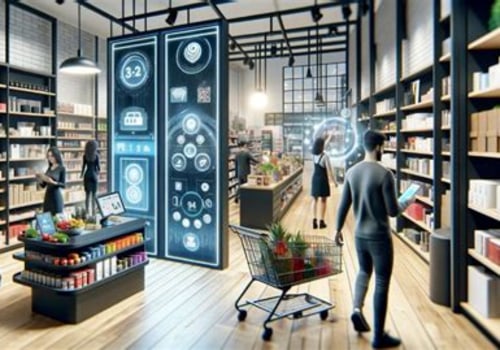
The next decade promises to reshape shopper behavior significantly, driven by technological advancements, evolving consumer expectations, and a heightened focus on sustainability. As retailers strive to adapt, understanding these changes becomes essential for crafting effective strategies.In this landscape, Aegis SimForge emerges as a pivotal resource, offering a synthetic foresight platform that enables businesses to anticipate and navigate potential challenges in shopper behavior. One of the foremost trends likely to influence shopper behavior is the increasing integration of technology into the shopping experience. With the rise of augmented reality (AR) and virtual reality (VR), consumers can expect more immersive shopping experiences that blend the physical and digital worlds. Retailers who leverage these technologies effectively will not only enhance customer engagement but also gather deeper insights into shopper preferences and behaviors. Moreover, the emphasis on personalized shopping experiences is set to intensify. As data analytics and AI become more sophisticated, retailers will be better equipped to tailor their offerings to individual shopper preferences.
This shift towards personalization will require retailers to invest in advanced intelligence gathering tools, such as those provided by Aegis SimForge, to understand and predict shopper missions and behaviors. Another critical aspect shaping future shopper behavior is the growing demand for sustainability. Consumers are increasingly making purchase decisions based on a brand's environmental impact and ethical practices. Retailers must adapt their strategies to align with these values by transparently communicating their sustainability efforts and ensuring that their supply chains reflect these commitments. Lastly, the post-pandemic world has accelerated the trend towards omnichannel shopping. Shoppers now expect seamless experiences across online and offline channels.
This necessitates a robust understanding of how shoppers interact with different touchpoints and the ability to gather intelligence on these interactions. Retailers that can successfully integrate their channels will be better positioned to meet evolving shopper expectations. In summary, as we look toward the future, it is clear that shopper behavior will evolve in multifaceted ways. Retailers must remain vigilant and adaptable, leveraging innovative tools like Aegis SimForge to stay ahead of these trends and ensure their strategies are aligned with shifting consumer dynamics. In conclusion, the landscape of retail intelligence is evolving at an unprecedented pace, necessitating that retailers adapt swiftly to future challenges in intelligence gathering. As highlighted throughout this article, leveraging advanced methodologies is not merely advantageous but essential for making informed decisions that drive growth and customer satisfaction.
Aegis SimForge stands out as a pivotal solution, providing innovative tools that empower retailers to navigate the complexities of this dynamic environment. By utilizing Aegis SimForge's synthetic foresight platform, businesses can proactively identify potential failures and optimize their strategies before they encounter challenges. The ongoing need for retailers to refine their intelligence gathering processes cannot be overstated. With the right tools and insights, companies can not only anticipate shifts in shopper behavior but also enhance their operational efficiency and resilience in the face of change. The future of retail intelligence lies in embracing these advancements and fostering a culture of adaptability.